Middle East Conflict: What Rising Fuel and Energy Costs Mean for Consumers
The Middle East, a region pivotal to global energy markets, is once again a focal point of geopolitical tension. While governments initially sought to reassure citizens about the security and diversification of energy supplies, the escalating conflict has already begun to ripple through economies, directly impacting consumers through rising fuel and energy costs. Understanding these dynamics is crucial for households and businesses navigating an increasingly uncertain global landscape.
The Immediate Impact: Fuel Prices at the Pump
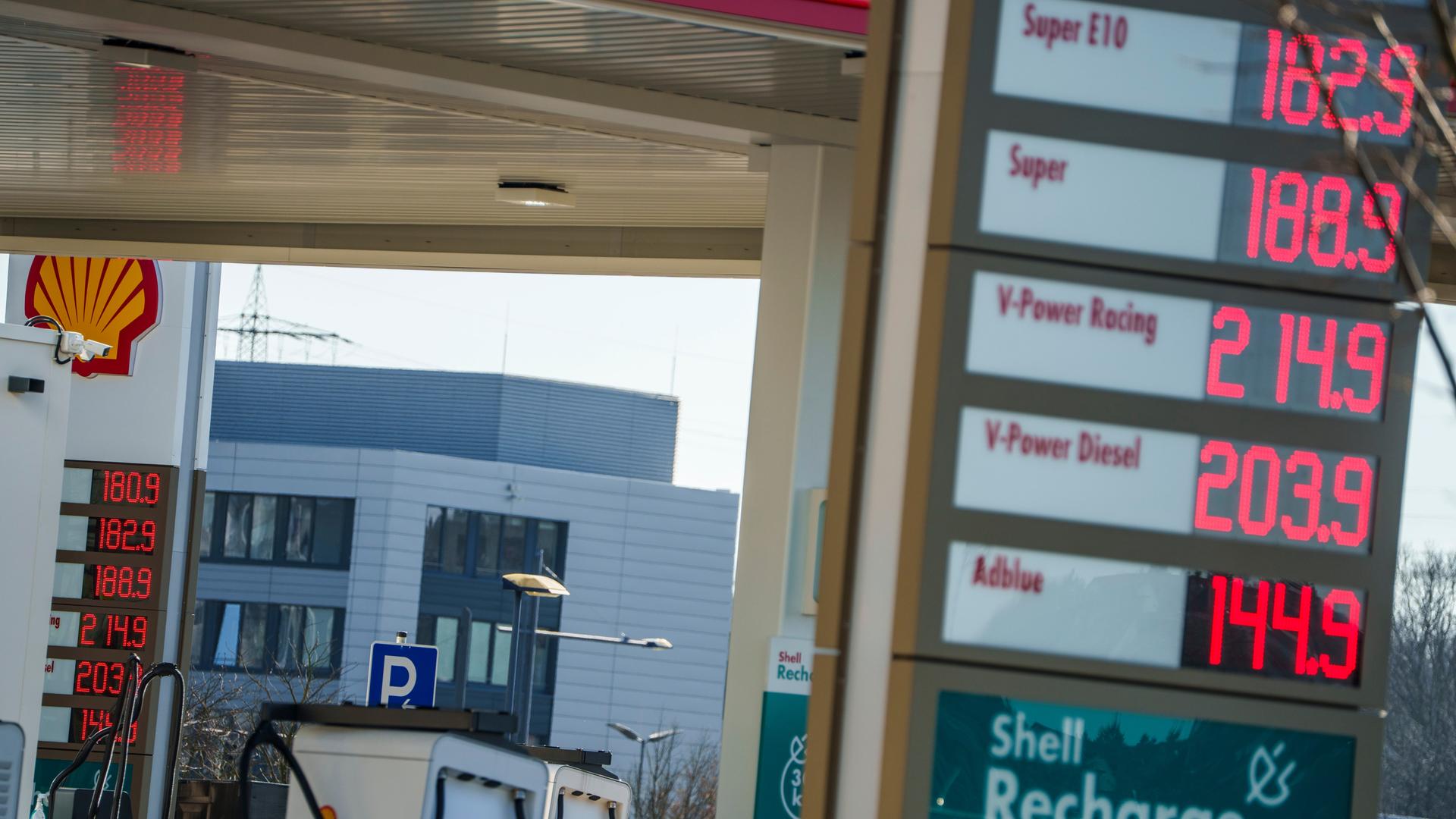
Perhaps the most immediate and visible consequence for the average consumer has been the sharp increase in prices at the petrol pump. Almost instantly following significant escalations, the cost of gasoline and diesel surged, reflecting the volatile nature of the global crude oil market. This rapid escalation is driven by several critical factors:
- Geopolitical Risk Premium: Increased instability in a major oil-producing region inherently adds a "risk premium" to crude oil prices. Traders and markets price in the potential for supply disruptions, leading to higher costs.
- Strait of Hormuz: A significant concern is the Strait of Hormuz, a narrow maritime choke point through which roughly one-fifth of the world's daily oil consumption passes. Threats or actual restrictions on shipping in this vital waterway, often voiced by Iran, can send crude oil prices soaring due to fears of supply shortages.
- Attacks on Energy Infrastructure: Direct attacks or precautionary shutdowns of oil and gas production facilities in the region, such as the reported incidents affecting Saudi Aramco's Ras Tanura refinery or QatarEnergy facilities, immediately reduce available supply, driving up prices. Damaged oil tankers further compound these fears.
While experts like the ADAC's Christian Laberer suggest that a calming of the situation in the Gulf could lead to more moderate prices in the medium term, especially if OPEC+ follows through on pledges to increase production, the short-term reality is one of elevated costs. The criticism from petrol station associations regarding oil corporations' pricing policies, often perceived as marketing-driven rather than purely cost-reflective, further complicates the picture for consumers.
Beyond the Pump: Heating Oil, Natural Gas, and Electricity Bills
The impact of the Middle East conflict extends far beyond just vehicle fuel. Households relying on heating oil have experienced an even sharper increase in prices compared to petrol. Natural gas prices have also seen significant surges, particularly after disruptions like the halt in Qatar's liquefied natural gas production following an attack on its facilities.
However, for many consumers, the full effect of these wholesale price jumps isn't immediately felt. Klaus-Jürgen Gern of the Kiel Institute for the World Economy (IfW Kiel) explains that those heating with oil typically refill their tanks only when they are significantly depleted, meaning the price paid is determined at the time of purchase, not daily fluctuations. Similarly, due to long-term contracts, energy providers usually take some time to pass on wholesale price increases for natural gas and electricity to their residential customers.
Nonetheless, the outlook remains concerning. If natural gas prices remain high due to sustained conflict, this will inevitably affect electricity prices. As Clemens Fuest, President of the ifo Institute, notes, gas plays a significant role in electricity generation in many countries. This means that, over time, overall energy costs – covering both heating and electricity bills – are likely to become more expensive for consumers across the board. For a deeper dive into these connections, consider reading about Middle East War's Impact: Why Your Energy Bills Are Rising Now.
Understanding the Geopolitical Drivers of Energy Volatility
The current volatility in energy markets is a direct consequence of the escalating conflict, which has introduced multiple layers of uncertainty and risk:
- Targeted Infrastructure Attacks: The direct targeting of critical oil and gas fields, as reported following Israeli actions against Iran, represents a severe threat to global supply. Such attacks not only reduce immediate output but also create long-term fears about the security of essential energy infrastructure.
- Strategic Choke Points: The Strait of Hormuz remains the ultimate strategic choke point. Any credible threat of its closure by Iran, which has been reiterated in the past, triggers massive market panic due to its critical role in global oil transportation.
- Regional Spillover: The risk of the conflict spreading, involving more regional and international actors, amplifies the geopolitical risk premium. This uncertainty encourages speculative buying in energy markets and discourages long-term investment, impacting supply stability.
- OPEC+ Decisions: The role of OPEC+ (Organization of the Petroleum Exporting Countries and its allies) is crucial. While they may pledge to increase output to stabilize markets, their willingness and ability to do so effectively are often influenced by their own political and economic considerations.
These complex geopolitical factors combine to create a highly unpredictable environment for energy prices, making stable forecasting incredibly difficult. For more insights into how these escalations affect global supply, see our article on Middle East Escalation: Global Oil Supply & Economic Impact on Consumers.
What Consumers Can Do: Navigating Higher Energy Costs
While the broader geopolitical situation is beyond individual control, consumers are not entirely powerless in mitigating the impact of rising energy costs. Proactive measures can help manage household budgets:
- Monitor Fuel Prices: Use apps and online tools to track local fuel prices. Even small differences can add up over time. Plan your routes to fill up at the cheapest stations.
- Embrace Fuel Efficiency:
- Drive Smarter: Accelerate gently, maintain a steady speed, and avoid harsh braking.
- Vehicle Maintenance: Ensure tires are properly inflated, and regular servicing is up-to-date. A well-maintained engine is more efficient.
- Reduce Weight: Remove unnecessary items from your vehicle.
- Rethink Transportation: Consider public transport, cycling, or walking for shorter distances. Carpooling can significantly cut fuel costs for commuters.
- Energy Efficiency at Home:
- Insulation and Draft Proofing: Improve your home's insulation and seal drafts around windows and doors to retain heat.
- Smart Thermostats: Install programmable or smart thermostats to optimize heating and cooling schedules, reducing wasted energy.
- Lower Thermostat Settings: Even reducing your thermostat by one degree Celsius can lead to significant savings on heating bills.
- Appliance Usage: Use energy-intensive appliances like washing machines and dishwashers during off-peak hours if your electricity plan allows. Unplug electronics when not in use to avoid "vampire drain."
- Compare Providers: Regularly review your energy supplier and compare tariffs to ensure you're on the most competitive plan available.
- Budgeting: Factor potential increases in energy costs into your monthly budget to avoid surprises.
The Broader Economic Picture and Future Outlook
The escalation in the Middle East poses a significant threat not only to individual household budgets but also to the global economy. Higher energy prices act as a tax on consumers and businesses, reducing disposable income and increasing operational costs. This can lead to decreased consumer spending, reduced corporate profits, and potentially a slowdown in economic growth, contributing to inflationary pressures across various sectors.
The financial markets, too, react sensitively to geopolitical events, with periods of uncertainty causing volatility and impacting investor confidence. While governments work to secure diverse energy supplies and mitigate the worst effects, the long-term economic outlook remains closely tied to the de-escalation of the conflict.
In conclusion, the Middle East conflict has undeniable and multifaceted consequences for consumers worldwide. From immediate spikes at the fuel pump to eventual increases in heating and electricity bills, households are feeling the strain. While initial government reassurances focused on supply security, the reality is that market dynamics and geopolitical risk premiums are driving up costs. By understanding these underlying causes and adopting proactive energy-saving strategies, consumers can better navigate these challenging economic waters, even as the world hopes for a swift resolution to the conflict.