Middle East War's Impact: Why Your Energy Bills Are Rising Now
The news headlines are stark, and for many, the repercussions of the escalating conflict in the Middle East are being felt closer to home than ever before – directly in their wallets. Despite initial assurances from governments, including Germany's, that oil and gas supplies were secure and diversified, the reality on the ground, or rather, at the pump and on the utility bill, is telling a different story. Consumers are indeed facing the consequences of the Middle East war, with rising energy costs becoming an undeniable burden. This article delves into the complex factors driving these increases and what they mean for your household budget.
Understanding the Immediate Crunch: Fuel and Heating Oil
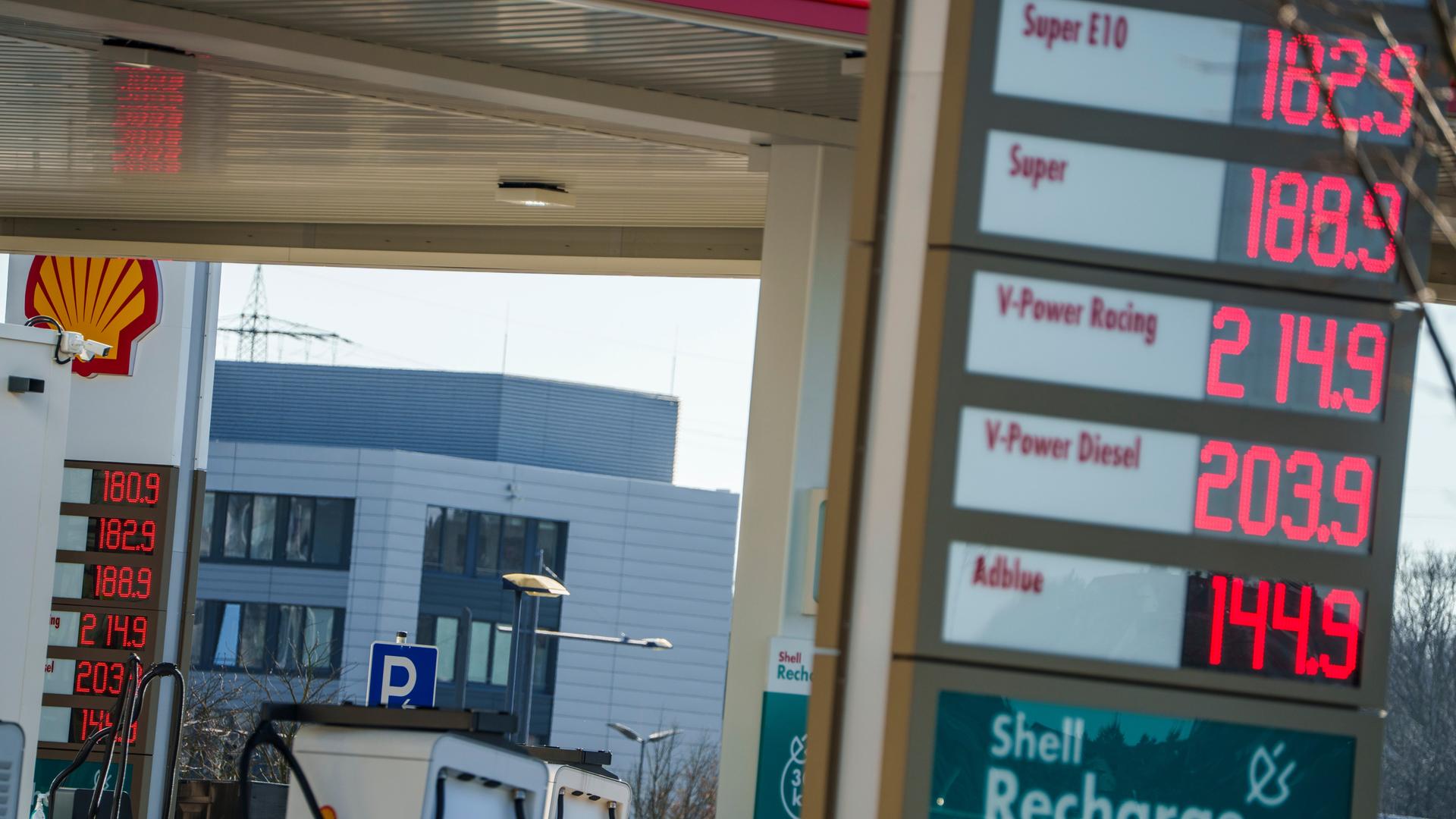
The most immediate and noticeable impact of the Middle East conflict on consumers has been the sharp increase in fuel prices. Whether you drive a car daily or occasionally, you've likely noticed petrol and diesel prices climbing rapidly. Experts suggest this upward trend is likely to continue in the short to medium term. The volatility stems directly from the rapid increase in crude oil prices on international markets, which are highly sensitive to geopolitical tensions in a region critical for global energy supply.
For those heating their homes with oil, the price hike has been even more pronounced. However, as explained by Klaus-Jürgen Gern from the Kiel Institute for the World Economy (IfW Kiel), these increases aren't always felt instantaneously. Most homeowners don't refill their oil tanks daily; rather, they top up when supplies run low. This means the critical factor is the price at the moment of refill. So, while current prices might sting, the full effect will only manifest when it's time to replenish your tank. This delayed impact often masks the true scale of the initial price surge, only to make it more impactful when the bill finally arrives.
The Geopolitical Engine: Why Energy Prices Are Volatile
The Middle East is a pivotal region for global energy, and any instability there sends ripples through international markets. Several critical factors linked to the ongoing conflict are directly contributing to the surge in energy prices:
* **Threat to Critical Shipping Lanes:** A significant concern is the Strait of Hormuz, a narrow waterway through which roughly one-fifth of the world's daily oil supply passes. Iran has, in the past, threatened to block this vital passage, and any perceived risk of such an action immediately drives up oil prices due to fears of supply disruption. The recent escalation has heightened these anxieties, leading to increased market speculation and a scramble for security of supply.
* **Attacks on Energy Infrastructure:** Direct impacts on production facilities are perhaps the most tangible cause for price hikes. The conflict has seen attacks on energy installations in the region. For instance, Saudi Arabia's Aramco reportedly scaled back operations at its Ras Tanura oil refinery as a precautionary measure following drone strikes. Similarly, QatarEnergy’s liquefied natural gas (LNG) production was affected after attacks on its facilities. Such incidents, alongside reports of damaged oil tankers, directly reduce or threaten the physical supply of oil and gas, creating immediate upward pressure on prices.
* **Market Uncertainty and Speculation:** Beyond direct physical impacts, market psychology plays a huge role. Geopolitical events inject massive uncertainty into the market. Traders and investors react to potential future disruptions, driving up prices even without an immediate supply shortage. This speculative behavior often amplifies price movements, making them more volatile.
* **OPEC+ Dynamics:** The Organization of the Petroleum Exporting Countries and its allies (OPEC+) wield significant influence over global oil supply. While there have been announcements by OPEC+ regarding potential increases in production, these pledges often take time to materialize and may not fully offset the fear-driven price surges, especially if the geopolitical situation remains tense.
For a deeper dive into how these regional tensions translate into global economic shifts, you might find
Middle East Escalation: Global Oil Supply & Economic Impact on Consumers particularly insightful.
Beyond the Tank: Gas, Electricity, and Your Home Budget
While the impact on fuel and heating oil is immediate, the consequences for natural gas and electricity prices are also significant, though often delayed due to long-term supply contracts. As Klaus-Jürgen Gern points out, energy suppliers typically take some time to pass on wholesale price increases to their customers, thanks to these existing agreements.
However, if wholesale gas prices remain elevated due to the conflict, this will inevitably affect electricity prices. Clemens Fuest, President of the ifo Institute, highlights that natural gas plays a crucial role in electricity generation in many countries. Therefore, a sustained high gas price means higher electricity production costs, which will eventually translate into higher electricity bills for consumers. This means your overall energy expenses – for heating, cooking, and powering your home – could become significantly more expensive in the coming months. The ripple effect of the conflict reaches every corner of your daily life, creating a complex web of economic challenges for consumers.
For a comprehensive look at how these varied impacts come together, consider reading
Middle East Conflict: What Rising Fuel and Energy Costs Mean for Consumers.
Navigating the Storm: Practical Advice for Consumers
Given the current climate of rising energy costs due to the Middle East war's consequences for consumers, proactive steps can help mitigate the financial burden:
*
Monitor Fuel Prices: Use apps or online services to find the cheapest petrol stations in your area. Filling up on specific days (often Monday evenings or Tuesday mornings) can sometimes offer marginal savings.
*
Optimize Heating: If you heat with oil, consider topping up your tank strategically. Keep an eye on market trends and buy when prices dip, rather than waiting until your tank is nearly empty. For all heating types, ensure your home is well-insulated, seal drafts, and lower thermostats by a degree or two. Every little bit helps.
*
Reduce Electricity Consumption: Unplug unused electronics, switch to energy-efficient LED lighting, run appliances like dishwashers and washing machines only when full, and consider smart thermostats to manage heating and cooling more efficiently.
*
Rethink Transportation: Explore public transport options, carpooling, cycling, or walking for shorter distances. Consolidating errands to fewer trips can also save fuel.
*
Budgeting and Financial Planning: Create a detailed budget to understand where your money is going and identify areas where you can cut back to offset higher energy costs. Build an emergency fund if possible to absorb unexpected spikes.
*
Stay Informed: Keep abreast of energy market developments and government announcements regarding potential support programs or energy-saving initiatives.
Looking Ahead: What the Future Might Hold
The current outlook for energy prices remains highly dependent on the geopolitical situation in the Middle East. While OPEC+ promises of increased production could offer some relief, a prolonged or intensified conflict, especially involving critical choke points like the Strait of Hormuz, would likely keep prices elevated. The interconnectedness of global energy markets means that even localized conflicts can have far-reaching effects on consumers worldwide.
For now, the initial assurances of stable energy supplies are being tested by market realities and geopolitical events. The consequences of the Middle East war are undeniably hitting consumers through higher energy bills. While governments work on diplomatic solutions and securing supply chains, individuals can empower themselves by understanding these market dynamics and adopting smart energy consumption habits to navigate this challenging economic landscape.